Built to Get Better
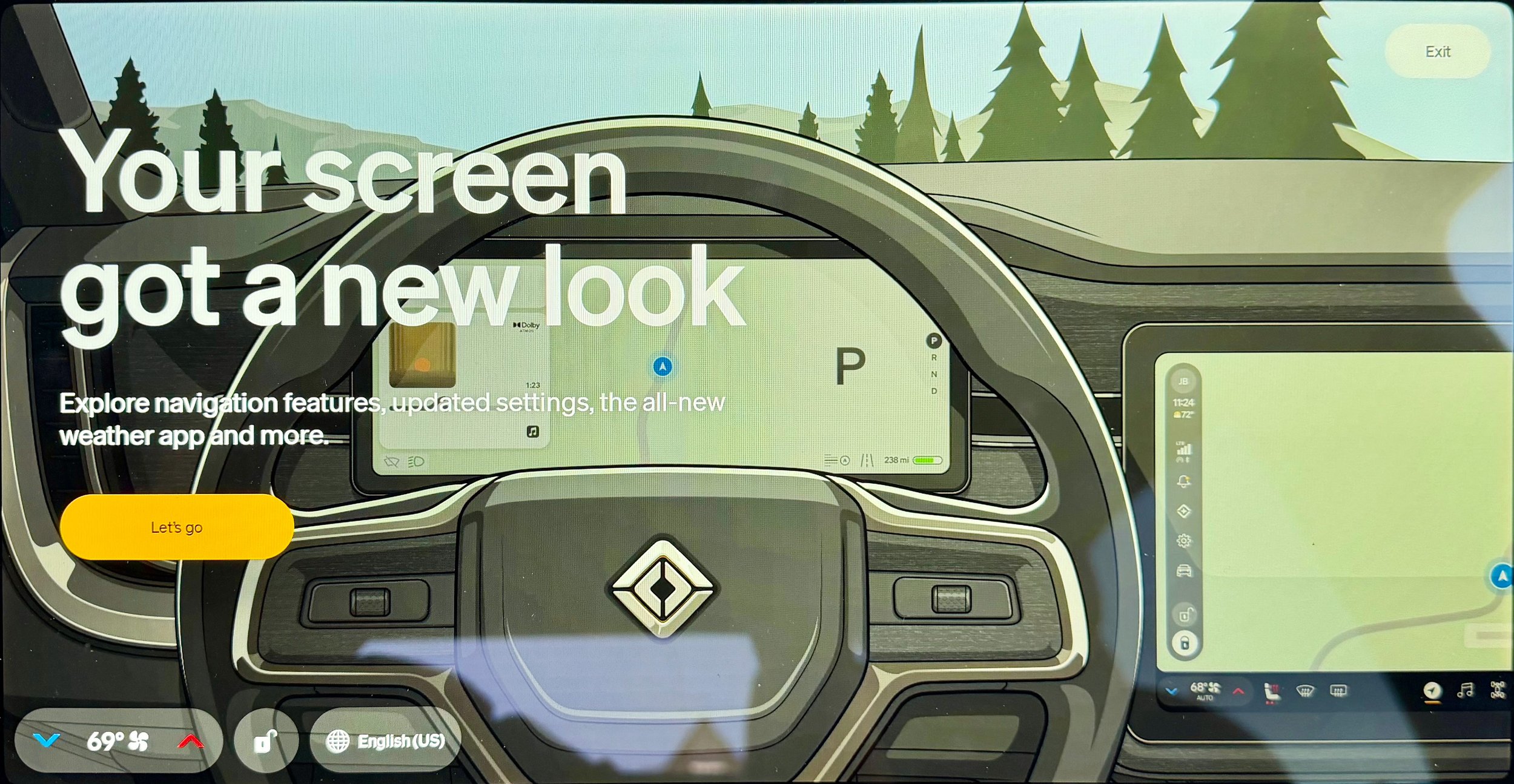
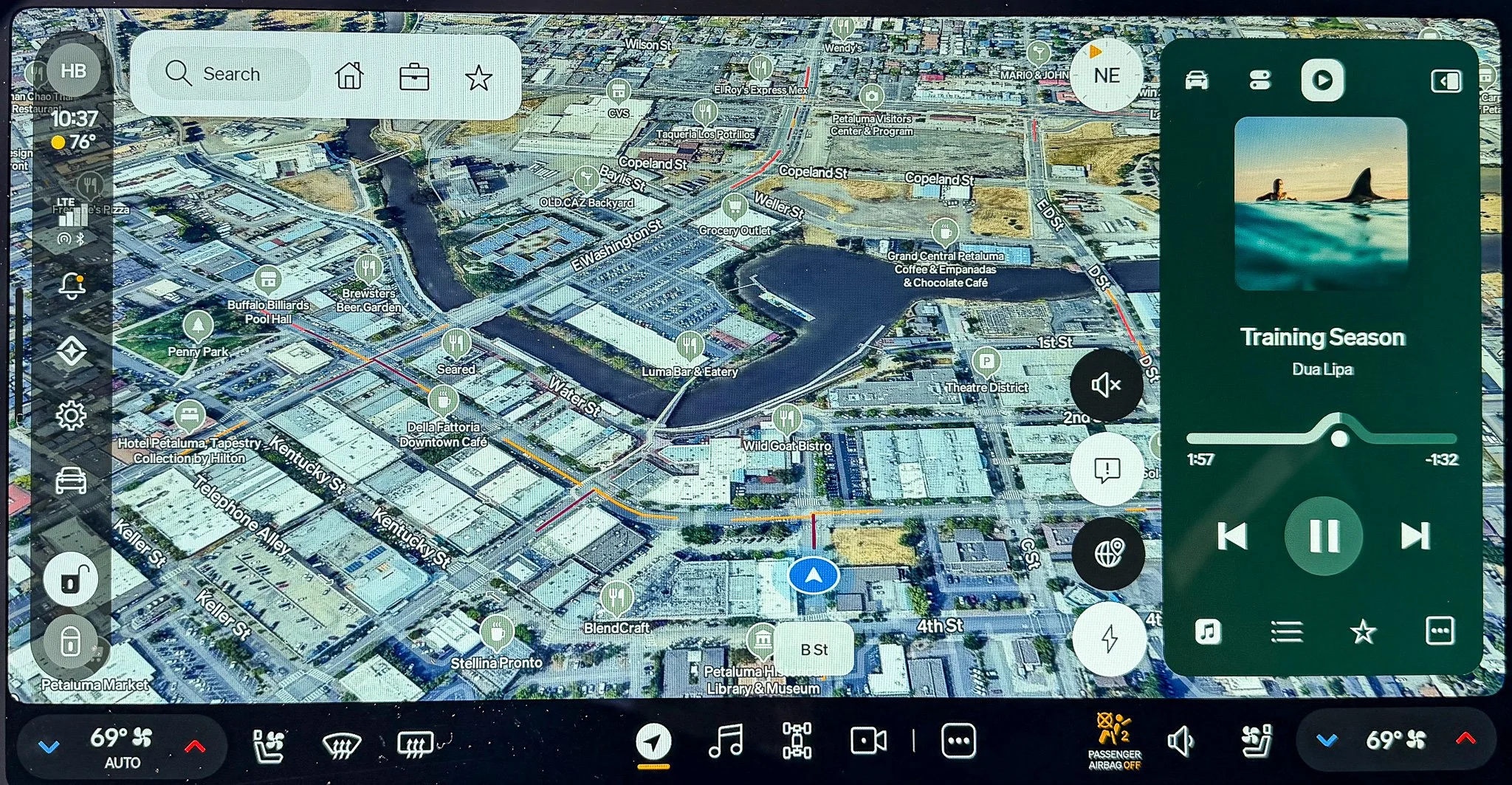
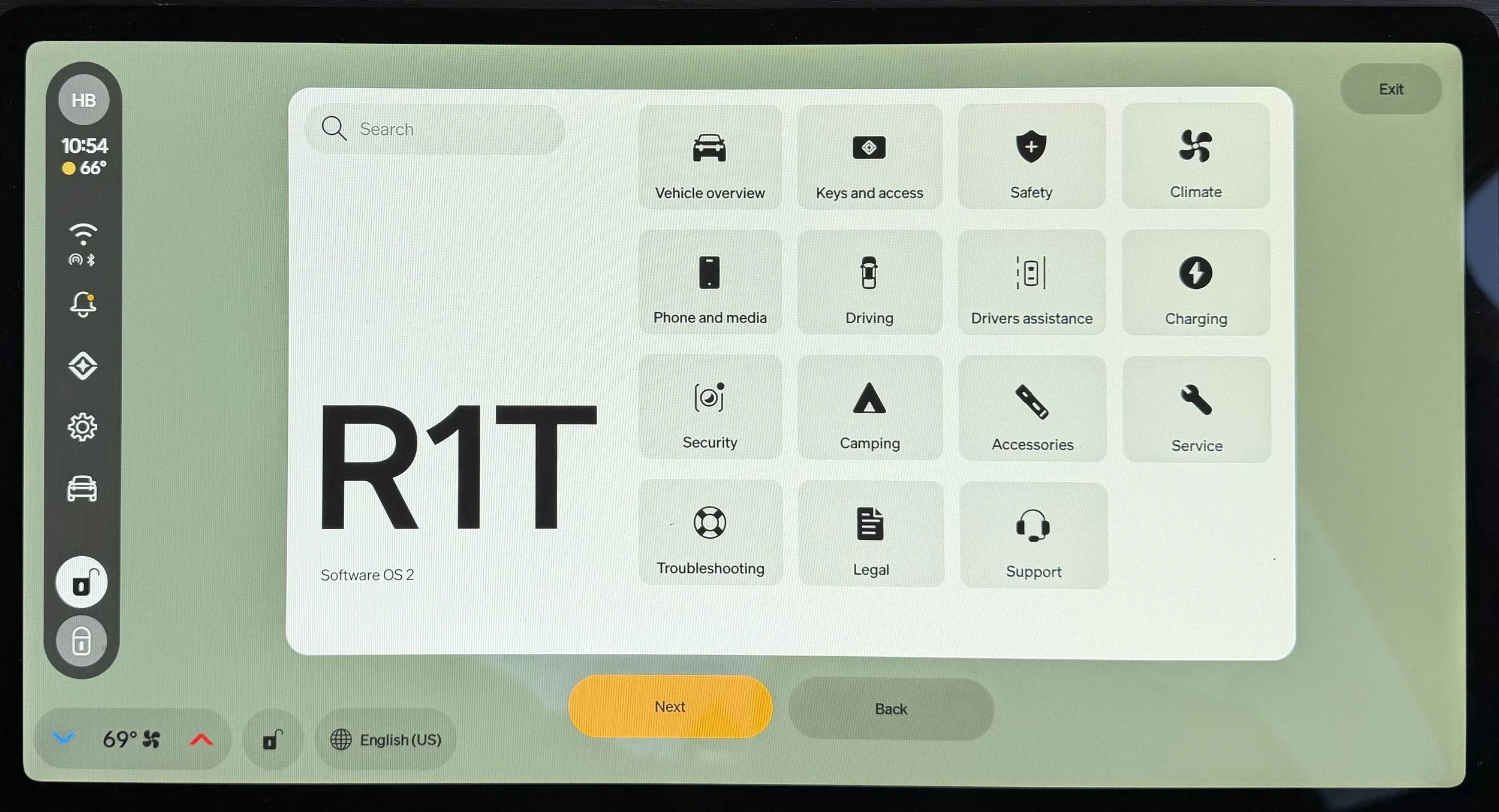
Within ten minutes of the release notification, I started the download for Rivian OS 2 (v2026.31) and watched a video walkthrough while it installed. My IT consultant tells me to wait before updating. I never do. I am hooked on product updates for the devices I love, and between RivianTrackr, forum chatter, Reddit posts, release notes and video previews, I had already seen most of it. Sitting in my Gen 2 R1T shortly after, I explored the redesigned menus before driving a single mile. There were few surprises left, or so I thought.
Then I lived with it. Running my weekend errands, Rivian OS 2 didn't land as a list of bullet points; it felt like a fundamentally upgraded vehicle. Knowing everything in advance turned out not to matter. As Rivian's Chief Software Officer Wassym Bensaid put it: "The Rivian vehicle you drive home is the least capable version you'll ever own, and it will continue getting better." That, he said, is not a feature but the architecture.
Previews offer information. Only daily use reveals value. And software updates operate at three distinct depths.
Smartphones. Major iOS updates arrive annually, tied to new hardware sales. The releases in between are mostly security patches and bug fixes; maintenance preserves a product more often than it transforms one. Even the big annual release changes the apps, the interface and the services. It alters how you navigate the device, not what the hardware does.
Cameras. Firmware reaches deeper, into the camera's own systems. Nikon's Z8 Firmware 3.0 added a focus limiter, expanded autofocus patterns and new Pixel Shift workflows without touching the sensor or processor. It doesn't yield a new body, but it meaningfully narrows the generational gap and extends the useful life of the camera you own.
Software-defined vehicles. Here the update can change the machine itself. Rivian OS 2 delivers a cleaner, faster interface and brought R1 onto the same software stack as the new R2. Underneath, the same build changed 12-volt battery management, low-voltage fault recovery and how climate settings persist between drives. The interface is what you see. The rest is the vehicle quietly getting better beneath it.
The structural advantage
Deep integration depends on unified control. In the second-generation R1, Rivian consolidated the vehicle's electronic control units from 17 to seven, all designed in-house and running Rivian's own code, and removed 1.6 miles of wiring in the process. A legacy automaker's vehicle carries dozens of ECUs sourced from many suppliers, each running that supplier's software, so an over-the-air change means negotiating with every supplier whose code it touches. An integrated SDV maker ships a release.
The post-purchase ceiling
A deeper reach raises the product's ceiling after purchase, but it raises the risk in equal measure. Interface overhauls can disrupt muscle memory, firmware can introduce regressions, and a new feature can break an existing one or solve a problem you never had.
Still, the balance has shifted. The version you receive on day one is no longer necessarily the best version you will ever own.
We no longer buy finished artifacts; we buy a starting point and a trajectory. Leaks tell us what may be coming. Release notes tell us what changed. Only using the product tells us whether it really got better.
Disclosure: I own a Rivian R1T and hold Rivian shares. Nothing above is investment advice.
