Rivian Is the EV Company Moving Against the Tide
The overall EV market fell more than 20% year over year in Q2, the third straight quarter of steep declines. Rivian moved the opposite direction. The company delivered 12,194 vehicles, up more than 14% year over year and well above its own guidance of 9,000 to 11,000, with early R2 volume already in the mix. It raised full year delivery targets from 62,000 to 67,000 units to 65,000 to 70,000.
The commercial van tells the same story. Rivian's commercial van sold 4,003 units in Q2, up 48% year over year, outselling Chevy's BrightDrop, Mercedes' eSprinter, Ford's E-Transit, and Ram's ProMaster EV combined by nearly 70%.
The Reliability Paradox
Consumer Reports ranks Rivian near the bottom on predicted reliability, mostly early-stage software glitches and minor mechanical issues. The same survey shows Rivian has topped Consumer Reports' owner satisfaction rankings three years running, with roughly 85% of owners saying they'd buy the same vehicle again. That's a genuine paradox, not a contradiction. Owners are frustrated by specific issues and still love driving the thing.
Lucid Is a Different Story
While Rivian accelerates, Lucid is a different company with a different problem. Lucid denied reports it was weighing bankruptcy or a sale after its stock cratered, but regardless of that specific story, it burned $3.8 billion in cash last year on only 15,800 deliveries, and its Q2 deliveries of 3,953 came in below Wall Street expectations. It's a low volume luxury play that doesn't really compete with Rivian's off road focused lineup anyway.
California Puts Its Money Where Its Fleet Is
On policy, California's new $3,500 rebate for first time EV buyers waives the program's $50,000 price cap for EV makers headquartered in the state, which covers every Rivian trim. The program, signed into law July 13, launches later this summer and requires participating automakers to match state funding dollar for dollar. Legal experts expect the California headquarters carve-out to face a court challenge, but as written, it partially offsets the loss of the federal credit for new Rivian buyers.
The state is also a customer. Caltrans has placed two orders with Rivian totaling 977 vehicles worth roughly $97 million. The first order, in June 2025, covered 453 vehicles: 138 R1S SUVs and 315 R1T pickups, all delivered within 200 days. The second, placed this spring, added 524 vehicles: 201 R1S SUVs and 323 R1T pickups, valued at $52.7 million. This is Rivian's largest known fleet agreement outside the Amazon van program and reportedly its biggest public sector deal to date. Governor Newsom has adopted a Rivian R1S as the official state vehicle, and San Francisco Mayor Daniel Lurie personally bought a $134,000 Rivian R1S and gifted it to the city as the mayor's official vehicle, replacing a Chevy Tahoe.
The Structural Story: Three Strategic Anchors
The bigger structural story is Volkswagen. VW, the world's second largest automaker, has now put more than $3 billion into Rivian in milestone triggered tranches, and its latest $1 billion purchase in April lifted its stake to 15.9%, making it Rivian's largest shareholder. That tranche unlocked specifically because the joint venture, now 1,500 people, passed winter testing of its shared zonal architecture across VW, Audi, and Scout prototypes. That's VW paying for delivered engineering, not placing a bet.
Amazon, meanwhile, still holds roughly 11.8% without selling a share. This is the first time since Rivian's 2021 IPO that Amazon is not the largest shareholder, a function of dilution, not doubt. Amazon keeps increasing its orders of Rivian vans and is now deploying them in Canada. And Uber has quietly joined the cap table: a $300 million private placement from an Uber affiliate closed this spring under a separate $1.25 billion robotaxi partnership.
Three strategic anchors, three different bets: Amazon on the vans, VW on the software architecture, Uber on autonomy.
The Honest Caveat
Hitting the raised guidance requires roughly 45,000 deliveries in the back half of the year, nearly double the first half pace, and that ramp rides almost entirely on the R2. That's the real test.
But in a market moving backward, Rivian is the company moving forward.
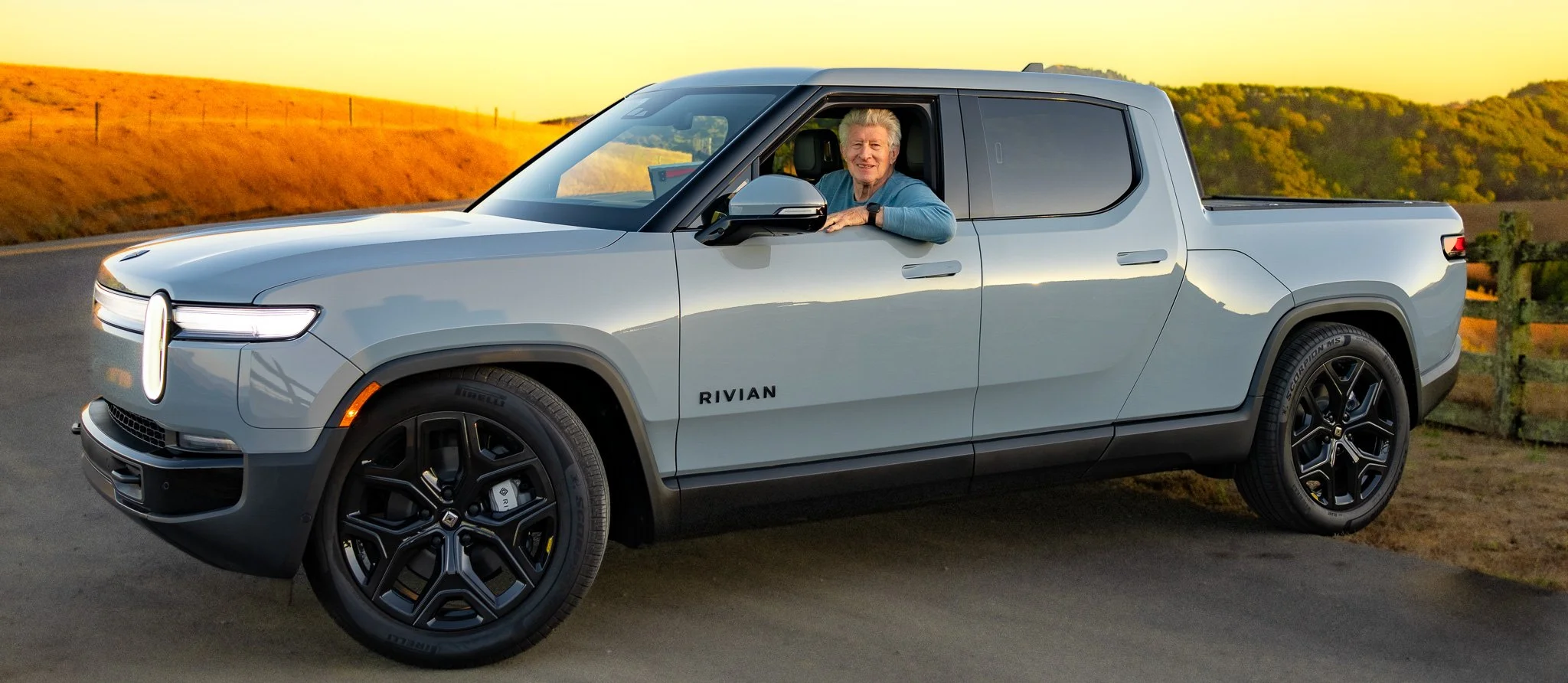
Disclosure: I own a 2025 Rivian R1T (Gen 2) and am a Rivian shareholder. I bought a small number of shares before purchasing my R1T, added more after my test drive, and added again after taking delivery. In total, the position comprises less than 10% of my stock holdings. I love my Rivian and follow the company closely. This is commentary, not investment advice.
